You need to eat well to fuel your top performances in races. Try out these tips to do your best at any distance:
For all exercise
High intensity, short duration athletes have different nutrition needs from endurance athletes. General healthy nutrition, however, is important for both. You need to eat enough calories from high quality carbohydrates, proteins, and fats to ensure healthy training and top performance as well as proper repair and replenishing after exercise.
Hydration is essential to all types of exercise as well. Dehydration decreases muscle strength, power, and endurance. During training, weigh yourself before and after a run so you can replenish 24 oz. of fluid for each pound lost. Having sips of a sports drink every 15-20 minutes during activity will also help prevent hyponatremia, or overhydration.
1 mile, 5K, and 10K
Carb loading is unnecessary for exercise less than 45 minutes. Eating a small carbohydrate snack can help for a 45-90 minute workout and is most helpful for exercise that is 90 minutes or longer. This snack could be fruit, a granola bar, whole wheat crackers, or dry cereal.
Half Marathon, Full Marathon, Ultra-Endurance Races
Long-race athletes have higher carbohydrate requirements before, during, and after exercise. An average male marathoner consumes 8 grams of carbohydrates per kilogram of body weight per day. This would equal 654 grams of carbohydrate spread out during the day for a 180 pound (81 kilogram) person.
Choosing quick and easy carbohydrates will make eating this large amount more tolerable. Choose compact, low-fiber forms particularly on race day such as pasta, white rice, sports bars/gels, and high carbohydrate drinks (juice, chocolate milk, and smoothies). Avoid high fiber foods like beans, whole grains, and produce on race day to prevent gastrointestinal problems.
Carb loading three days before a race can be an effective way to store more available energy in the form of glycogen in muscles and liver. Glycogen is stored with water, so don’t be alarmed if you feel stiff or heavy during this time. The feeling usually goes away with exercise.
Protein needs are increased as well during high intensity and high duration training, particularly after exercise, for muscle repair and growth. Choose lean proteins such as deli chicken or turkey, Greek yogurt, tuna, eggs, or low-fat cheese.
Experiment with different food combinations and timing of meals during training. Do not try anything new on race day. Every athlete is different: find what works for your body and your activity.
This blog was written by Alex Kenefic, Registered Dietitian, at Bon Secours In Motion Physical Therapy and Sports Performance.
In the winter months, the days are shorter, there is less direct sunlight, and we tend to stay indoors more. In the summer we lather up with sun screen and hats to avoid burning. All this leads to less opportunity for your skin to make its own Vitamin D. That is not to say that we should stay out unprotected for hours and risk skin cancer. However, it is worth noting your Vitamin D levels. Vitamin D deficiency has been linked to insulin resistance, osteoporosis, and impaired immune function. While deficiency does not always cause symptoms, some include difficulty thinking clearly, bone pain, frequent bone fractures, muscle weakness, and unexplained fatigue. It is estimated that just 15 minutes of bare skin sun exposure can equate to about 400 IU of Vitamin D. Adults are recommended to get 600 IU each day. Food sources include fatty fish (mackerel, salmon, and tuna), beef, cheese, egg yolks, mushrooms, and fortified foods like milk, orange juice, and breakfast cereals. Including at least one or two of these sources each day in addition to 15 minutes of sun exposure can help you keep your Vitamin D high and your whole body happy.
By Abby Forman, Registered Dietitian with Bon Secours Physical Therapy & Sports Performance
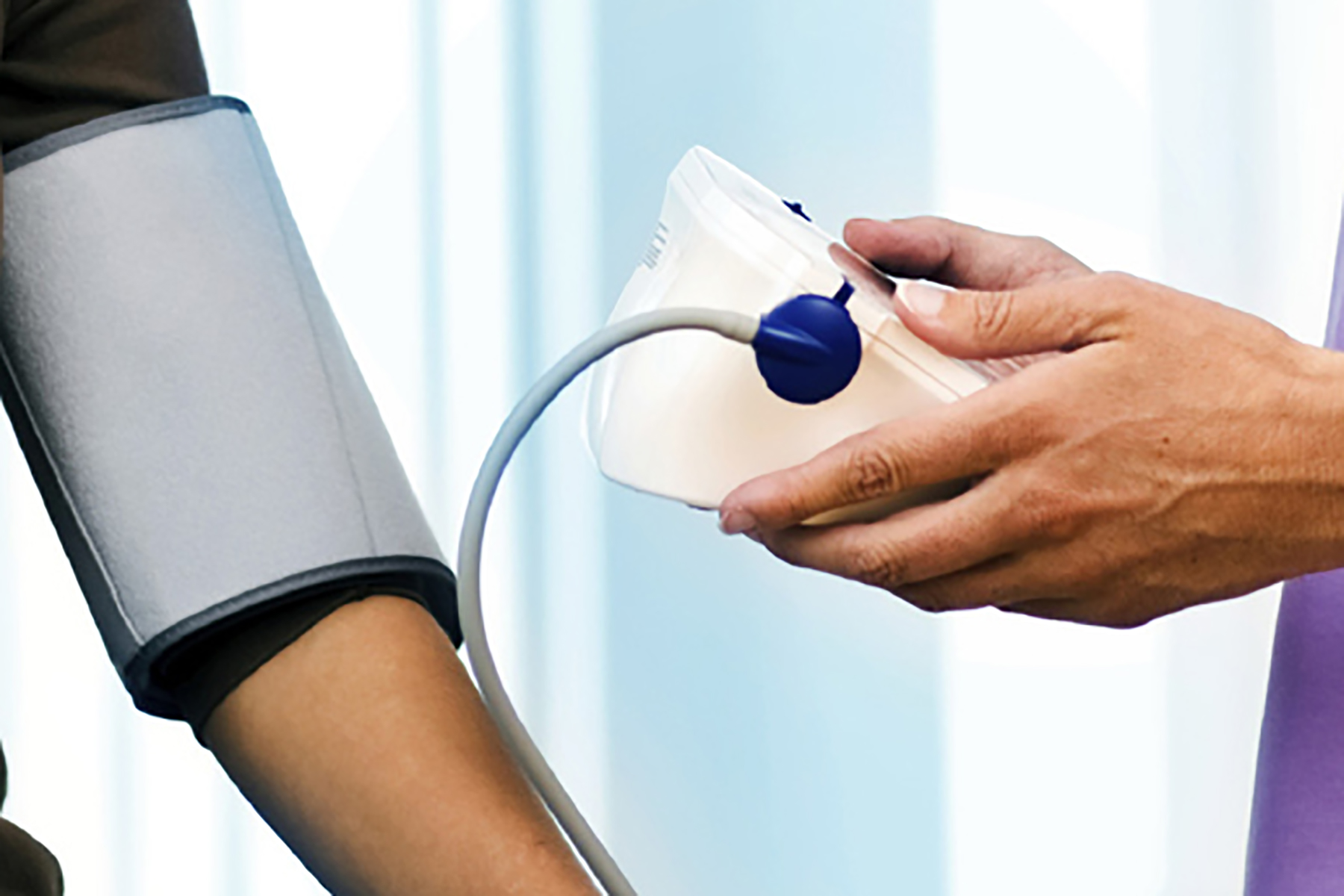
If you haven’t had your blood pressure checked by a doctor lately, you could be one of the millions of Americans who has hypertension, but is completely unaware of it.
Unlike so many other serious health problems, high blood pressure – the “silent killer” – rarely causes any symptoms. That might explain why one out of five adults who has high blood pressure does not know it.
The only way to know if you have high blood pressure is to have it checked.
“Once you turn 40, you should have your blood pressure checked every year,” said Dr. Randall Ferro, MD, a board-certified family medicine physician with Monarch Medical Associates. “If it’s too high, you can take steps to control it.”
Two numbers indicate a person’s blood pressure level. The first number, systolic, represents the pressure in your blood vessels as your heart beats. The second number, diastolic, is the pressure in your vessels when your heart rests between beats. Measured in “millimeters of mercury,” high blood pressure is defined as 140/90 mmHg or higher.
Some people face a higher risk of hypertension. They include African Americans, people who have a family history of high blood pressure, those who are obese or have diabetes, and people who smoke, eat too much salt, drink too much alcohol, or often feel stressed or anxious.
High blood pressure can also be due to chronic kidney disease, pregnancy, medications, thyroid problems, and other medical issues.
In the majority of cases, no cause of high blood pressure is found.
Roughly 75 million American adults – one out of every three adults – have high blood pressure, according to federal statistics. Of those, only half have the condition under control, according to the Centers for Disease Control and Prevention.
“Untreated hypertension can lead to long-term damage of your heart and major organs such as your kidneys,” Dr. Fedro said. “If it gets really high, you can have a stroke.”
Fortunately, many patients can lower their blood pressure by exercising regularly, not smoking, and cutting sodium from their diet. Talking to your doctor first is important to make sure you know how to exercise safely.
“The amount and intensity of exercise you should do depends on how high your blood pressure is,” Dr. Fedro said. “We make sure that the type of exercise a patient plans to do is safe for their blood pressure level,” Fedro said. “Many patients initially start walking. It’s a good way to lose weight or maintain your weight.”
Sometimes, a person’s blood pressure is too high to solely recommend exercise and other healthy lifestyle habits. In those cases, patients will need to take medication to lower their blood pressure in addition to making other changes such as quitting smoking, eating healthier, and walking.
Patients who are prescribed medication should make sure to take it in the morning, not at night before bed. Otherwise the medication will not be working when they’re awake.
“The good news is that some people no longer need medication after they modify their lifestyle and lose some weight,” Fedro said.
To prevent high blood pressure – and lower your risk for heart disease and stroke – try the following tips for living a healthy lifestyle:
Eat a healthy diet. Choose foods that are low in salt and high in potassium, which can lower your blood pressure. The DASH eating plan is one proven diet to help people lower their blood pressure.
Maintain a healthy weight. Carrying excess pounds or obesity can increase your risk for high blood pressure.
Exercise regularly. Adults should aim for 30 minutes of physical activity every day. Children and teens need one hour of physical activity daily.
Don’t smoke. If you do smoke, quit. Ask your doctor for strategies to help you quit smoking.
Limit alcohol use. Drinking too much alcohol can raise your blood pressure. Men should limit consumption to two drinks daily. For women, the limit is one drink per day.
Sources: Centers for Disease Control and Prevention, National Institutes of Health
By Dr. Randall Ferro, MD, board-certified family medicine physician with Monarch Medical Associates.
For additional information about blood pressure control, consult your primary care provider. Call 804-359-WELL or visit http://goodhelpdocs.com/ if you need help finding a healthcare provider.
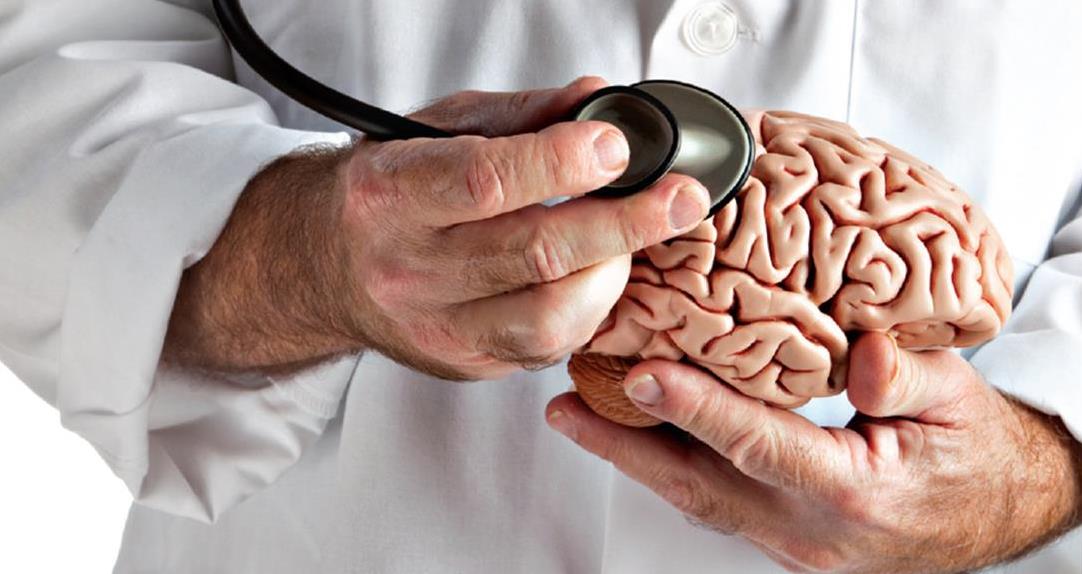
The management of a concussion is a constantly evolving topic. Thankfully, in the last several years, there has been more focus than ever before on how to effectively identify and manage concussions, thanks to ongoing research regarding the long-term effects of multiple concussions. As a result, there has been a major change in the way healthcare professionals manage this complicated disorder.
An alarming 3.8 million Americans are diagnosed with a concussion each year according to the CDC; however, the actual number of concussions sustained each year is thought to be much higher due to under-reporting. While there is now more awareness of the potential dangers that can result from a poorly-managed concussion, most people don’t fully understand what it means to have a concussion due to the varied clinical presentations.
Concussion is defined as a traumatically induced transient disturbance of brain function and involves a complex pathophysiological process. Concussions typically result from a blow to the head; however, in some instances, a blow to another body part will cause the brain to crash into the skull, indirectly causing a concussion. While some people recover from a concussion within a few days, others take months or years to return to their career or sport. When the symptoms of a concussion last longer than three weeks, it is called post-concussion syndrome. Recovering from post-concussion syndrome often requires help from a team of teachers, doctors, athletic trainers, physical and occupational therapists, speech therapists, and psychologists to name a few.
Symptoms of concussions may be physical, cognitive, and/or emotional. These include, but are not limited to, headaches, dizziness, sensitivity to light or noise, fatigue, depression, and anxiety. Some people may only have one or two of these symptoms while others may feel limited by multiple symptoms. Unfortunately, the symptoms of concussion can affect your ability to participate in sports and perform work or school tasks and can often affect your relationships with others.
At Bon Secours Physical Therapy, patients who have been diagnosed with a concussion are evaluated by a physical therapist to assess limitations, given an individualized plan including a home exercise program, and provided with education. Treatment may consist of vestibular rehabilitation (to address dizziness), visual exercises (to address blurred vision and difficulty reading), manual intervention and therapeutic exercise (to address neck pain), and/or a graded exercise program (to return to work or sport).
When recovering from a concussion, physical and mental rest are very important. Often, individuals try to return to work, school, or sports too soon and suffer setbacks as a result. Once you have sustained one concussion, you are more at risk for suffering another, which can lead to long-term deficits. Your doctor and other health professionals can help you determine when it is safe to resume your regular activities.
March is National Nutrition Month! Initiated in 1973, National Nutrition Month is an education and information campaign created by the Academy of Nutrition and Dietetics (AND). As Registered Dietitians, we aim to inspire the country to improve health one bite at a time. The theme this year is “Put your best fork forward” which reminds us that each bite, snack, meal, and day is a new opportunity to make better choices.
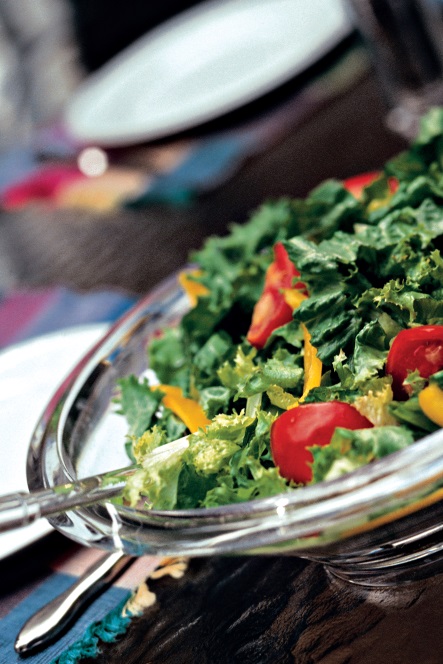
Making good choices may not always feel easy, but your family’s health is worth it. This March, challenge yourself to make one small improvement to your current diet: eat a variety of colors from fruits and vegetables; get at least 3 servings of vegetables each day; choose whole grains more often over refined/white; serve fish or seafood twice per week; drink water instead of high sugar sodas or punch. A small change today can mean a healthier life tomorrow and beyond: all it takes is putting your best fork forward. Happy National Nutrition Month!
By Abby Forman, Registered Dietitian with Bon Secours Physical Therapy & Sports Performance