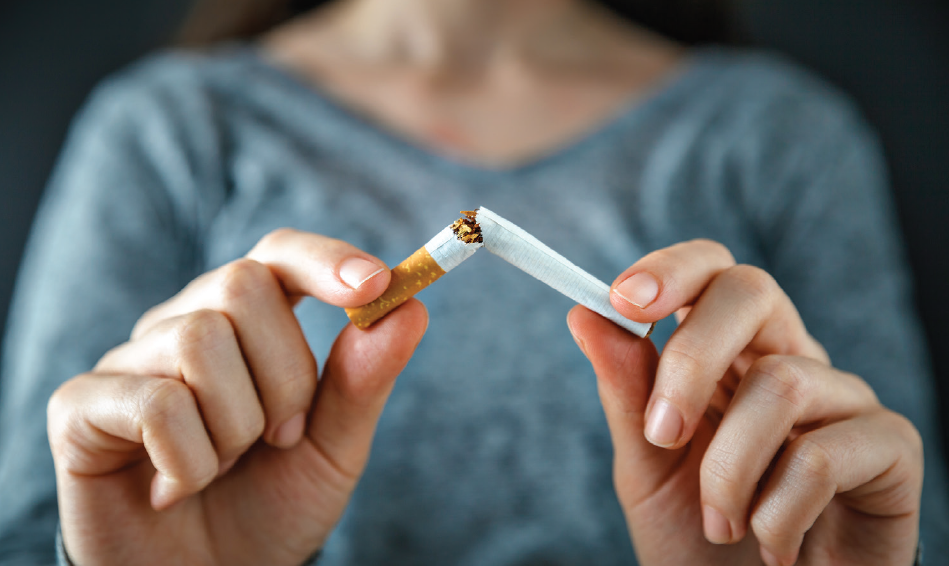
It’s never too late to quit smoking! Your health will improve and your risk for heart disease, cancer, lung disease, and other smoking related illnesses will decrease whenever you stop smoking. Quitting is a journey. We are here to offer you tips and support as you move toward your goal. Every individual’s quit experience is unique. You may choose to use the online program as your sole source of support, or you may opt to connect with our nurse coach who can offer you additional resources and care. No matter what you choose, you will be moving closer to reaching your goal of quitting smoking. We’re so glad you’re taking this step towards better health today!
The program is proven, interactive, text-based, and FREE!
Unexpected illnesses or injuries are inconvenient at any time but especially during the holidays. Bon Secours is excited to announce our partnership with DispatchHealth to provide extended health care access and convenience for our patients and community. DispatchHealth provides on-demand urgent care in the home and began servicing the greater Richmond area on November 7, 2017. ER-trained practitioners come to the home or place of need and can perform on-site laboratory testing, IV fluids, splinting, stitches, and much more. DispatchHealth acts as an extension of primary care and partners with your medical team to help keep you out of the ER whenever possible. They accept all major health insurance, including Medicare and Medicaid, and will bill directly for the care provided. They are available from 9 am – 9 pm seven days a week, including all holidays. You can request care by calling (804) 495-0053 or by using their website or free mobile app. Learn more at http://richmond.dispatchhealth.com/.
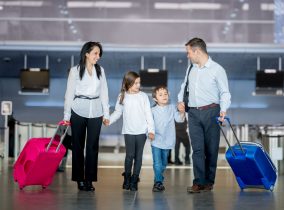
The stranger you sit next to this holiday season for your flight home might be perfectly healthy, but the surfaces that surround you both can be teeming with cold and flu viruses.
Without a doubt, the germs lurking on every plane and train and in every station and airport can wreak havoc on your holiday travel plans. At best, you may wind up with a minor cold that goes away in a few days. Unfortunately, many of us have experienced much worse: vomiting toddlers or lost luggage with important prescription medications inside.
Before you try to convince everyone to come to your house instead, consider these important tips from the medical experts at Bon Secours to help you stay healthy while you travel.
Pack some immunity.
Now is the perfect time to get your flu shot. Call your health provider to get one or ask the pharmacist at your local grocery store. Just make sure you get vaccinated at least four to five days in advance of your travel plans. For the strongest immunity against influenza, get a flu shot at least two weeks before you travel.
Plan for prescriptions.
Don’t wait until the last minute to get your prescriptions filled. An insurance issue or shortage could leave you without your medication. You should also take enough medication with you if your trip ends up lasting longer than expected.
“You’re going to save yourself so many problems if you do some planning,” said Carol Carson, PharmD, BCPS, a clinical pharmacy specialist for Bon Secours.
Important medications are less likely to get misplaced if you keep those with you instead of tucked away in your luggage. They’ll also be readily available no matter where you are when you need them, Carson said. Additionally, baggage storage areas can get very hot or cold, creating less than ideal storage conditions.
Always declare medications when you go through security stations. Check airline and security policies before you start packing. Remember to keep your prescriptions in their original containers; it’s a requirement in some states.
And, make a copy of all your prescriptions and a detailed list of their strength, dosage, and frequency. Be sure to include the name of your prescribing physician and pharmacist. Keep all this information with you.
“If you need medical attention for any reason when you’re traveling, a list helps prevent someone giving you a medication that might interact with one of your prescriptions,” Carson said.
Wipe. Sanitize. Repeat.
As you settle into your seat for a long flight or train ride, take the time to clean the arm rest and tray table in front of you with some sanitizing wipes. You can’t stop the person in the row behind you from sneezing, but you can try to reduce the germs surrounding your seat.
If you’re really worried about getting sick – maybe you have a compromised immune system – go ahead and wear a mask.
Stand up and stretch.
“When it’s allowed, take time to stand up from your seat and stretch – especially if it’s a long flight or ride,” said Randall Fedro, MD, a family practice physician at Monarch Medical Associates. Sitting for long periods of time isn’t good for the body. For some, it can lead to dangerous blood clots.
Moving the legs while you sit can help, too, Fedro said. Try flexing and pointing your feet to exercise your calves. Some people also use the metal bar under the seat that’s in front of them to do calf raises.
Stay well rested and hydrated.
Just like when you are at home, it’s important to get enough rest every night when you’re traveling and to drink plenty of water. Your immune system can weaken if you’re exhausted and dehydrated.
“Staying hydrated is super important,” Fedro said. “Limit your alcohol intake, too.”
If you’re heading to a different time zone, make sure you get enough shut-eye while you adjust to your destination and when you return home.
“Many people lose too much sleep when they travel,” Fedro said. “It can set you up for an infection.”
Work in your workouts.
Exercise is an excellent way to burn off some holiday calories and the stress that comes with holiday traveling.
“Exercise will also help keep your immune system in high alert,” Fedro said.
Think ahead about where you’re going to be and figure out how you can build in some time to exercise. Walking is one of the easiest ways to exercise when you’re not home. You can almost always find a place to walk wherever your winter travels take you.
Another option is to try a local gym. Many gyms allow non-members to come in and work out for a nominal fee. Look for a place that offers the kind of classes you enjoy or the right exercise equipment.
Visit Bon Secours 24/7.
Sometimes you get sick while on vacation no matter how hard you try to prevent it. Bon Secours 24/7 allows you to reach a health provider within minutes from your phone, tablet, or personal computer. Simply enroll to create an account, download our app, and follow the instructions to speak with a Bon Secours medical provider.
Bon Secours 24/7 helps patients with a range of medical conditions, from respiratory infections and bronchitis to sprains and strains. The app works wherever your holiday travel takes you within the United States.
It’s getting to be that time of year again – the time for holiday parties, socializing with family and friends, and lots of eating and drinking. It is easy for anyone to feel out of control with their diet when they’re constantly surrounded by tasty food and treats. However, if you have diabetes, the holiday season can pose major challenges to keeping your health in check.
All too often, you might find yourself overeating and not moving enough. This can lead to higher blood glucose levels and possible weight gain. You may feel that checking your blood sugar during this time is pointless because you’ve already eaten too much and know your blood glucose is going to be too high. Regardless, make a goal to check your blood glucose at least once per day. Before you know it, your blood glucose could go far above your goal and cause short- and long-term consequences.
It can be more difficult during this time of year to keep your blood sugar under control, but you can make a conscious choice to not overdo it and still enjoy yourself. The key is to go into this holiday season with your eyes open. Make deliberate choices instead of merely letting the season carry you away.
It’s Smart to Be Picky
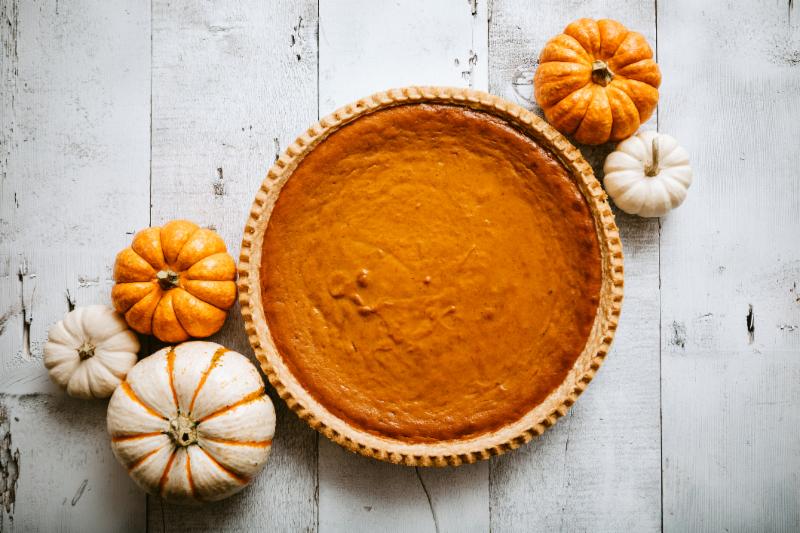
During the holidays, many of us eat some foods simply because they are there. You can still make a choice not to eat them. There are usually more than enough food options. You don’t have to eat everything that is served. Treat yourself to foods that are special for the holidays and skip the excess calories from ordinary, year-round foods like potato chips. To keep overall carbohydrates limited at meals, think of what you can give up at dinner time –such as mashed potatoes and the dinner roll — to have your favorite slice of pie. At buffets, it always helps to survey the line before putting any food on your plate. This way, only your real favorites wind up in front of you and you won’t find yourself absentmindedly picking on whatever is left on your plate. You can stay in control and still feel a part of the festivities. Also, be sure to balance out your plate by combining carbohydrates with protein and non-starchy vegetables. Follow the individualized recommendations provided by your Registered Dietitian for how much you should limit carbohydrates at meal times.
Prepare Ahead of Time
Try to eat at regular times throughout the day leading up to a party or holiday event to avoid feeling famished when you arrive. We tend to overeat when we have held off all day. It’s harder to make good choices once we get too hungry. As with any other day, it is vital to keep the amount of carbohydrates that you eat consistent and limited at each meal. Never skip a meal or eliminate carbohydrates from your meals during the day to falsely justify splurging later that night. This can send your blood glucose skyrocketing and promote holiday weight gain.
Enjoy Holiday Spirits Safely
It’s easy to go overboard on calories while toasting the season. Not only does alcohol provide excess calories itself, but we also tend to lose focus on our food choices after drinking. This year, set a goal to pace yourself on the cocktails and choose to have water or a diet beverage in between alcoholic drinks. When you do have a cocktail, you can decrease the calorie content tremendously by choosing calorie-free mixers, such as seltzer or diet soda instead of tonic or juices. Light beer and dry white wine tend to be lower calorie choices, as well. Make sure to not consume alcohol on an empty stomach. Of course, the best way to save all the cocktail calories is to make yourself the designated driver for the party and skip the alcohol altogether. You’ll feel better the next day as well.
Take Advantage of Extra Activity
It is more important than ever to keep up your exercise routine this holiday season. Don’t let the cold weather be an excuse to skip your workout. Now is a great time to change it up. This not only helps break through weight-loss plateaus, but also provides some inclement weather alternatives from your usual routine, especially if you usually exercise outside. Exercising in the comfort of your own home with fitness DVDs, computer downloads, video games such as “Wii Fit,”™ or workout equipment can help you fight the temptation to hibernate this winter.
In addition, use the hustle and bustle of holiday shopping and errands to add additional calorie-burning activities. Instead of fighting for the closest parking spot at the mall, avoid the frustration altogether by parking farther from the entrance. Once you’ve finished your shopping and returns, don’t head home right away: use the mall to get in extra walking. The more you move during the holidays, the more energy you’ll have to get through the stress and enjoy them.
This year, make a promise to yourself to not get carried away during the holidays. Put yourself in control; you will find yourself feeling festive and fit into the New Year.
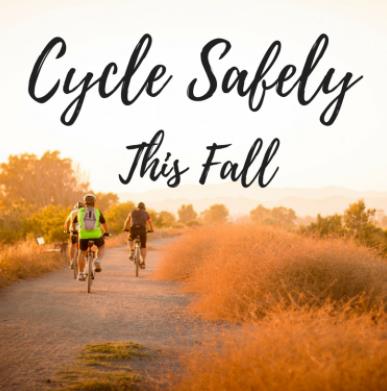
If you’re thinking about trying something different from your normal gym routine, then cycling is a great exercise to try. While cycling bike paths in the Richmond area lets you enjoy a breath of fresh air, there are some guidelines you should keep in mind.
Safety
First off, safety is important no matter what exercise you’re doing. To avoid injuries, you want to make sure that you’re following all of the proper safety rules that go with cycling.
Wear a helmet. Some people might think they’re a little goofy, but they’re the only thing protecting that brain of yours from the ground. Be sure to wear one regardless of how far you ride.
Stay hydrated! Don’t let fatigue take over in the middle of your route. Make sure you’re drinking plenty of water.
Plan your route ahead of time and avoid roads with heavy traffic. You may want to contact a local bike shop for recommendations on good routes suited to your level of expertise.
Know your hand signals so you’re able to communicate with vehicles and not take them by surprise.
Getting to the Right Route
Don’t rush into the most intense cycling route that you can possibly find. It’s important to build up your fitness with cycling and not dive headfirst into challenging courses.
Work your way up to the top. There’s no rush, and you don’t want to push yourself too much where the outcome will result in injury. Build up your mileage each week.
When you first start cycling, try to avoid taking on routes with huge hills and rough roads. These are the type of routes that you need to prepare yourself for instead of rushing into them like you’re a pro.
Taking a break is important! Ride several days a week and then take a recovery period. To become a better and stronger cyclist, taking the time to let your body recovery will be beneficial.
Posture
Having good posture is important, especially while cycling. Make sure you have the correct posture to benefit your cycling experience.
If your leg is straight or your knee is locked-out, then the seat is too high. Your knee shouldn’t be bent more than 20 degrees; if it is, then your bike seat is too low.
Make sure your knee is over the ball of your foot, not behind or in front of it.
When you sit on your seat, reach for the handlebars to ensure that your arms aren’t straight or locked-out. This could lead to discomfort in your back, neck, and shoulders.
Make sure your shoulders aren’t coming up to your ears. You want to elongate your torso, relax your shoulders and raise your chest slightly while cycling.
Cycling is a great exercise that can improve your heart, help with weight loss, reduce stress and just help you feel healthy. Don’t let mistakes deflect you from your cycling groove or keep you from feeling like the best version of you.