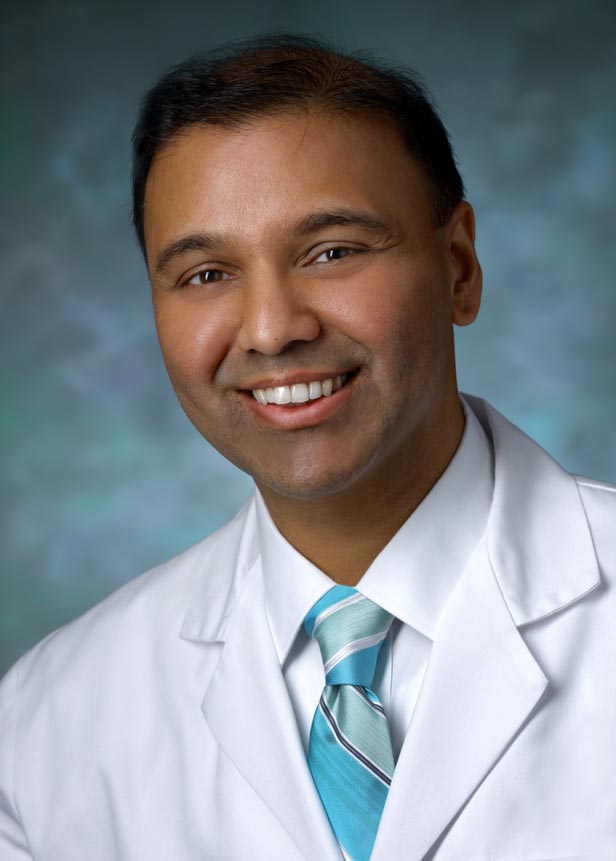
Dr. Arsalan Sheikh, chair of the Department of Medicine, Bon Secours Baltimore Hospital, is an endocrinologist who has treated many patients with diabetes. Good Choices talked with him about the condition, which affects an estimated 29 million, or 9 percent of Americans. A far greater number have pre-diabetes and they may not know they are at risk.
Q: What is diabetes?
A: Diabetes is a condition in which the body does not metabolize sugar (glucose) properly; it remains elevated in the blood. Type 1 used to be called childhood onset diabetes, but adults can also develop this. The body does not make insulin, so you must take insulin to treat it. Type 2 is more common, and is associated with being overweight and high blood pressure. The insulin the body makes doesn’t work effectively and one makes less insulin over time.
Groups at a higher risk for Type 2 include those with family members with Type 2 diabetes, certain ethnic groups: African-Americans, Latinos and Asians, and pregnant women with gestational diabetes. Lifestyle disparities – not having access to healthy foods, socioeconomic factors – also play a big part.
Q: What are the signs?
A: The number one symptom is having no symptoms. That’s why it’s so important to have your blood tested regularly at your physician’s office. People start developing symptoms when blood sugar levels get very high. You can become very thirsty, urinate often, feel very tired and can develop blurry vision.
Q: What can I do to prevent or treat diabetes?
A: You can make lifestyle changes now. Healthy eating and being active – even walking around your workplace at lunchtime – can really make a difference. A weight loss of 7 to 10% of your weight will be a huge benefit in how your insulin works and can help lower your sugar and blood pressure. Taking medications regularly and living a healthy lifestyle are the key to managing diabetes.
Take charge of your health by staying up to date with screenings and checkups. Schedule an appointment with a Bon Secours primary care provider. Call 804-359-WELL or visit Good Help Docs.
A simple conversation this Thanksgiving could help you and other members of your family live healthier lives.
As you gather together with relatives, take time to also gather your family’s medical history. By asking your relatives a few simple questions, you can discover if diabetes, high blood pressure and even certain cancers such as breast or prostate run in your family.
Armed with this knowledge, your family’s medical history enables you to take action to lower your risk by sharing this information with your health provider.
“When we know a patient’s family health history, we can get more targeted with their screenings and take some test results more seriously,” said Dr. I. Phillip Snider, DO, MS, RD, who serves as medical director at Bon Secours Weight Loss Institute. “We can look for early warning signs of disease.”
It’s been 13 years since the U.S. Surgeon General’s office started encouraging Americans to use Thanksgiving and other holiday gatherings to keep track of health problems that appear to run in their families. While many Americans believe knowing their family history is important, only one-third attempt to collect the information and write it down. The Surgeon General’s website offers a free online tool, My Family Health Portrait, to help people collect and privately share their family history.
Although your family history and genetics can’t be changed, the knowledge that you face a higher risk for certain conditions or medical issues can make all the difference, said Dr. Snider.
A good example is heart disease – the leading cause of death for women. A person will have twice the risk of developing heart disease if their parents or siblings have been diagnosed with it, according to the Surgeon General’s office.
If someone knows they have a family history of heart disease or stroke, their physician may prescribe aspirin or consider medications to control blood pressure and cholesterol.
People may also influence their risk for certain diseases by making changes to their diet, exercising regularly, getting enough sleep and having a healthy mindset, which can drive physiological responses. People can improve their health by eliminating stress, managing anger and learning to relax through breathing exercises and meditation.
“Genetics is only 50 to 60 percent of your health,” Dr. Snider said. “It’s really important that people realize that just because their family members have had certain ailments to deal with, it doesn’t mean they have to.”
To create a family health history, you’ll need to know when your relatives were born and at what age they were diagnosed with any diseases. It’s also helpful to know if they take any medications and whether any prescriptions have caused side effects.
Talking about your medical history isn’t easy for some, but many family members will share their information once they understand it can help keep everyone in their best health.
Sources: U.S. Surgeon General, National Institutes of Health
Take charge of your health by staying up to date with screenings and checkups. Schedule an appointment with a Bon Secours primary care provider. Call 804-359-WELL or visit Good Help Docs.
Unsure whether it’s safe to take an herbal supplement? How about those meal replacement shakes that everyone seems to be selling to their friends? Don’t forget the controversy over flossing – is it really OK to stop?
Before you consult Dr. Google or rely on the advice of a friend, consider making an appointment with a primary care provider.
It just might protect your health.
“Primary care providers are advocates for your health and your family’s health,” said Dr. Teresa J. Wright, a board-certified family practice physician with Internists at Western Branch. “We are your secretary, your quarterback and the assistant who knows everything about you.”
When people regularly see a primary care provider, they develop a close relationship with that physician, benefitting their health in several ways.
Not only do primary care physicians make sure patients stay up to date with screenings but they can also detect problems early. It might be subtle changes in how a breast looks or feels. Sometimes it’s a patient’s nagging cough that appears to worsen over time.
“Primary care physicians notice these things,” Dr. Wright said. “We help detect significant illnesses early.”
They can also help save patients a trip to the emergency room. Primary care providers are available to answer their patients’ questions, even after hours.
“You can call us in the middle of the night,” Dr. Wright said. “We are happy to help our patients when they have concerns or don’t know if they should seek emergency care.”
If a patient does need emergency care or treatment from a specialist, a primary care physician can help by being able to answer any questions about their patient’s medical history.
“We’re a great point of contact,” Dr. Wright. “When an emergency room doctor or specialist calls me, I am a resource for my patients because I know their history.”
Primary care physicians can also make it easier to get tests scheduled by helping navigate insurance requirements. An insurance company may deny a test just because they don’t have enough information, Dr. Wright said.
“Sometimes a patient gets denied, they get discouraged and the test that could have saved their life does not happen,” Dr. Wright said. “They just need the doctor to call the insurance company.”
As for meal replacement shakes and herbal supplements, the answer to whether it’s safe to use them depends on the individual, their health, their prescriptions and what’s in the products.
People who significantly cut their calories without being under a doctor’s supervision can run the risk of heart or liver damage and fainting, Dr. Wright said.
And what about flossing? Is it important for gum health?
“Yes,” Dr. Wright said. “Floss, floss, floss.”
Take charge of your health by staying up to date with screenings and checkups. Schedule an appointment with a Bon Secours primary care provider. Call 804-359-WELL or visit Good Help Docs.
By Aaron McKissick, MS, CSCS, USAW
Sports Performance Coordinator, Bon Secours In Motion
Getting bored with your exercise routine can make it harder to stay in shape, lose weight and reach your fitness and health goals.
If you find yourself making excuses not to work out, it’s time to switch things up before you quit exercising altogether.
Fortunately, it’s not hard to make some simple changes that can recharge your motivation. Your muscles won’t get bored either.
One way to fight off exercise boredom is by altering your current training days and activities. Your training goals can stay the same, while your exercises and what days you do them can vary.
For example, if your Monday workout usually consists of lower body push exercises and upper body pull exercises and your Wednesday workout is the opposite, try flipping these days. Ask a personal trainer for advice on new exercises you can try to work specific muscle groups.
Another way to prevent boredom is to try different physical activities. Do something you enjoy like running, playing beach volleyball, soccer, etc. You can also try a different workout style like Zumba® or yoga.
For some, it helps to have a workout partner or to exercise with other people. Having someone to talk to and bounce ideas off of can really help take the staleness out of your daily routine. Workout partners can be very helpful when it comes to staying motivated, using proper form in the weight room and remembering other safety considerations.
Perhaps the best part of changing your routine is that it keeps your body guessing, which makes it easier to achieve the results you want.
By Abby Forman, Registered Dietitian with Bon Secours In Motion Physical Therapy & Sports Performance
Throughout grocery stores nationwide, people often stop in the aisles of the produce section and question whether it’s worth it to buy organic foods when they typically cost more.
The answer often varies by fruit, vegetable and who will be eating them.
According to the United States Department of Agriculture, foods certified “organic” are those produced through approved methods which protect natural resources, conserve biodiversity (not grown near GMO or non-organic conventional produce) and use only approved substances (such as non-synthetic fertilizers and pesticides). For animal products, the animals must have had access to the outdoors, must not have been treated with antibiotics, growth hormones, or been given feed made from animal products. They also must be fed organic feed for at least one year.
Researchers at Stanford University have found that organic produce – which is not 100 percent free of pesticides – has a 30 percent lower risk of pesticide contamination than conventional fruits and vegetables. And, while the levels of pesticides found in conventional produce are within the Environmental Protection Agency’s acceptable limits, concern still exists about the safety of ingesting these for pregnant women, children, and adults with chronic health conditions.
Yet, studies have found that, generally, organic and conventional foods are equally nutritious.
If you’re thinking about buying organic fruits and vegetables, an easy guide to start with is what’s known as the “Dirty Dozen,” a list of fruits and vegetables found to have high levels of pesticide residue, according to the nonprofit Environmental Working Group. To reap the most benefits, focus on buying organic versions of the food you eat most often.
The top 12 conventional foods with the most pesticide residue (in 2016 testing) rank as follows:
Strawberries
Apples
Nectarines
Peaches
Celery
Grapes
Cherries
Spinach
Tomatoes
Sweet bell peppers
Cherry tomatoes
Cucumbers
To reduce pesticide residues and bacteria on any type of produce, follow these simple tips:
Wash your hands for 20 seconds with warm soapy water before preparing fresh produce.
Cut away any damaged or bruised areas.
Wash produce with a scrub brush and running water before you peel it.
Throw away the outer leaves of leafy vegetables such as cabbage.
Trim the skin and fat off of meat, poultry or fish to remove bacteria.



 By Abby Forman, Registered Dietitian with Bon Secours In Motion Physical Therapy & Sports Performance