If simply reading those words puts your stomach in a knot, sit down and take a deep breath. There are valid reasons why you might be feeling anxious over the holidays.
This is the time of year when people are reminded how much they miss someone who’s died. It’s when people think about broken relationships or how much money they don’t really have to spend on gifts. For some, it’s knowing they have to work on Christmas and need to find child care. For others, it’s living too far away to celebrate with the people they love. And then there’s the extra work involved. Decorating. Shopping. Cooking.
“This is truly the most stressful time of the year,” said Ebony S. Canady, LCSW, who counsels people through Bon Secours Hampton Roads Employee Assistance Program. “We put a lot of pressure on ourselves.”
The first step to handling all of this stress is to remember what the season is all about, Canady said. She recommends the following additional strategies for everyone to help manage holiday stress and enjoy this time of year:
Practice mindfulness. Think about what causes your stress during the holidays and take steps to change things. Remember that the holidays only last one or two days and it’s not worth it to stress all month long. Ask yourself what the things are that you do appreciate about this time of year. Be grateful for all that is good in your life. And when it comes to family tension, resist the urge to bring up the past or to expect too much from others.
Set a budget and stick to it. Don’t overspend on food, decorations, and gifts. Ending the holiday season in debt can cause stress for months.
Simplify. If cooking and baking is too stressful, let someone else do it. “No one said you have to cook the holiday dinner,” Canady said. “You can go out to dinner or buy prepared food.” Have a simple meal instead of a giant spread. “Make your holiday what you want it to be,” Canady said.
Lower your expectations. Few family holidays look like the ones you see on a greeting card. “Higher expectations can lead to a world of disappointment and stress,” Canady said.
Acknowledge grief. Spending the holidays without someone you love is tough. It’s easy to want to stay isolated, but it’s much healthier to be around other people and talk about those you miss. “It’s good to laugh and cry together,” Canady said. “The more you try to avoid grieving, the worse you’ll feel about it.”
Take care of yourself. Eating lots of sugary foods and drinking alcohol can make people feel worse during the holidays. Keep up with your exercise routine, indulge in moderation, and make sure to get enough sleep.
Volunteer. If you don’t feel like celebrating or you don’t have somewhere to go, sign up to volunteer at a local church or soup kitchen, Canady said. “Being there to help someone else have a better day will ultimately improve your day.”
For more information or to find a healthcare provider near you, call 804-359-WELL or visit http://goodhelpdocs.com/.
Women who are pregnant or thinking about becoming pregnant, should talk to their doctor about getting a flu shot. A flu shot not only helps protect a woman from getting influenza during pregnancy, it also provides important protection for her newborn.
Pregnant women can get vaccinated for the flu during any trimester of their pregnancy, according to the American Congress of Obstetricians and Gynecologists and the federal Centers for Disease Control and Prevention. Multiple published studies, as well as clinical experience, support the belief that the flu vaccine is safe and effective during pregnancy, according to ACOG.
Many people die from flu complications every year. Pregnant women are particularly vulnerable to serious illness from the flu because of changes that occur during pregnancy to their immune system, heart, and lungs.
Not only does the flu shot protect a pregnant woman, it also helps protect her baby from influenza. Antibodies from a mother pass during pregnancy to her developing baby, providing protection that can last the first several months of life.
According to the CDC, the most common side effects experienced by pregnant women are the same as those for other people. The following possible symptoms are generally mild and last only one to two days:
Soreness, redness, and/or swelling from the shot
Fainting
Headache
Fever
Muscle aches
Nausea
Fatigue
Although some people may be concerned about a recent study that showed women in early pregnancy who received two consecutive annual flu shots during 2010-11 and 2011-12 had an increased risk of miscarriage in the 28 days after receiving the second vaccine, health authorities say there isn’t enough evidence to change their flu recommendations for pregnant women.
The study is questionable based on its small size and other factors, health officials say. For example, it’s possible that the miscarriages had nothing to do with getting vaccinated for the flu. In addition, the study does not quantify the risk of miscarriage and does not prove that flu vaccine was the cause of miscarriage, according to a statement from ACOG.
“ACOG continues to recommend that all women receive the influenza vaccine,” the statement reads. “This is particularly important during pregnancy. Influenza vaccination is an essential element of prenatal care because pregnant women are at an increased risk of serious illness and mortality due to influenza. In addition, maternal vaccination is the most effective strategy to protect newborns because the vaccine is not approved for use in infants younger than six months.”
Women who have concerns or questions about receiving flu vaccine should talk to their health provider.
For more information or to find a healthcare provider near you, call 804-359-WELL or visit http://goodhelpdocs.com/.
Sources:
American Congress of Obstetricians and Gynecologists and Centers for Disease Control and Prevention
It’s officially fall time, and you know what that means: pumpkin flavored everything. For some people, this might mean enjoying a slice of pumpkin pie or heading to the closest Starbucks for a pumpkin spiced latte to celebrate the season. Although pumpkin flavored goodies are often seen as an indulgence (the aforementioned latte contains 380 calories and 50 grams of sugar), keep in mind that pumpkin does not always have to be a splurge. If you’re looking to stay on track with your health this season, pumpkins can help with that too! These hearty vegetables (though biologically a fruit) are rich in fiber and vitamin A, and are an effective way to boost immunity when flu season comes around. As an alternative to buying pumpkin-flavored desserts, healthy pumpkin options can easily be made at home. For example, pumpkin puree can be added to pancake batter, oatmeal, smoothies, or even your favorite chili recipe. Also, don’t forget about the seeds! Toasted pumpkin seeds are a healthy and portable snack to have on hand and are a good source of protein and fiber. To prepare, rinse the seeds to remove pumpkin pulp and strings, spread them onto a baking sheet, and drizzle with a small amount of oil. Bake at 325 degree for 30 minutes, stirring occasionally. Add seasonings you may have on hand, such as garlic powder or Cajun seasonings. Get into the pumpkin craze this season without the splurge and embrace the full power of this amazing food.
By Whitney Martin, Master of Public Health Student at Liberty University
Intern for Bon Secours Physical Therapy and Sports Performance
For more information about nutrition and choosing healthy foods, visit us at
Each individual has some asymmetry in their bodies — the neurological, circulatory, and respiratory systems are just not the same on both sides of the body, and this is perfectly normal. But dominant overuse of the muscles on one side of the body can cause structural weaknesses, pain, and instability, and it can have an overall negative impact on your body’s nerve and muscle functioning.
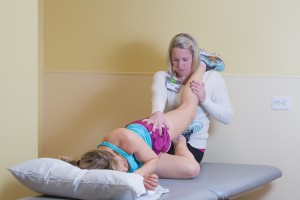
Postural Restoration (PRI®) helps to correct and compensate for these asymmetries and overuse so that you can enjoy your full level of activity, avoid pain, and prevent further injury in the future. Postural Restoration is a physical therapy treatment that focuses on identifying and correcting common postural problems. Treatment can include specific exercises, manual adjustments, and individualized recommendations for how to sit, stand, and move.
You may benefit from PRI® therapy if you suffer from chronic neck and/or shoulder pain, headaches or jaw pain, recurring spasms or tension in a specific part of the body, pain in the lower back, tendonitis, or bursitis. Postural Restoration has helped many patients increase their mobility and flexibility, improve spinal stabilization, strengthen the core, decrease chronic pain, and improve athletic performance.
For more information on The Postural Restoration Institute® (PRI), click here.
Despite widespread evidence that flu shots help protect people from getting sick, many still refuse to roll up their sleeves.
If you’re one of those who question whether flu vaccines really work, chances are you’ve heard some of the widespread myths that seem to start circulating every fall.
Recent studies show that getting a flu shot can reduce your risk of illness up to 60 percent, according to the federal Centers for Disease Control and Prevention. Although infants under the age of 6 months are too young to get a flu shot, they are protected for the first four months of their life if their mother was vaccinated. Flu vaccination helps protect women during and after pregnancy.
Everyone over the age of 6 months should get a flu shot every year, according to federal health recommendations. Yet many people don’t. Last November, only 40 percent of eligible people had received their flu shot, according to the CDC.
Flu shots do not cause the flu.
The vaccine contains viruses that have been inactivated, which means they’re not infectious. It can cause mild, short-lasting side effects, she said, but it doesn’t give you the flu. Minor side effects include a low-grade fever, aches and soreness on your arm from the shot.
To understand why some might believe this myth, you need to know how the flu vaccine works.
It takes about two weeks after getting your flu shot for your body to develop enough antibodies to protect you. So, should you get the flu after getting your vaccine, you were likely infected before or during that two-week window.
Another possibility: it’s not the flu. It’s a cold. Many people confuse respiratory viruses with influenza because they cause similar symptoms.
Flu shots work.
The truth is that you can still get the flu even though you had a flu shot. That doesn’t mean you shouldn’t get one.
How well the vaccine works can vary for each person. Older people, whose immune systems are not as strong, will not develop the same immunity as someone younger or healthier.
Another factor that affects the vaccine’s effectiveness is whether it closely matches the viruses circulating. The closer the match, the better the protection.
It’s important to know that even if the vaccine doesn’t closely match the viruses circulating, it still helps protect people. Should you become infected, your case of the flu will be milder because you had a flu shot.
For more information or to find a healthcare provider near you, call 804-359-WELL or visit http://goodhelpdocs.com/.